
By the time the doors open, two hundred things have been solved — and nobody saw a single one. How many were yours?
The number was revised at the last minute. Someone approved it over the phone; someone else confirmed it in a three-minute voice note.
Three weeks later, finance asks who approved it. The answer exists — scattered somewhere nobody can find anymore.
Every row says what it is, who delivers it, when, and for how much. In 2026 that table became the Budget Table — the event’s living budget, where every row is a promise.
Everything radiates from it. Suppliers reply through a Magic Link — no account, no password. Every approval leaves a trail — including the “no”.
Quotes, decisions, re-approvals — the event’s months live here, with a trail.
At the right moment, your ERP receives a finished purchase order. The boundary is drawn: from here to SAP.
From the brief to the purchase order, the same data runs through the entire event.
No screen asks you to type again what you already said.

Every quote request becomes a unique link. The supplier opens it, fills it in, sends it back.
The bid lands in the comparison on its own, next to the others.
Marketing and event managers at the company that exhibits, sponsors and pays.
It looks like a calendar: the meeting that realigns what was already aligned, the spreadsheet only you understand, the WhatsApp thread that became a system.
Read the manager’s sideThe chaos already costs that much — in people’s hours, in decisions redone, in re-approvals with no trail.
The difference is that now it shows up on the line, not on the final bill.
See the planJoin the waitlist and get early access by email. Nothing else.

From the annual budget to the signed purchase order — without switching tools, and without losing track of who approved what.
Six paths are the same for everyone. Two depend on which side of the table you sit on.
Agencies and production companies that build the proposal, track the pipeline, and need to know the margin before they close.
Salesperson, sale and margin exist only in this profile. Anyone who only buys never sees these screens.
Marketing and events at the company that exhibits, sponsors and pays. This is the path every workspace follows.
All of this happens before SAP. What reaches the ERP is a finished PO, with the trail of every approval behind it.
Six paths that don’t change with the profile. This is where the event is born, gets organized, and leaves a record.
Type your email, the magic link arrives, the session opens. Valid for one hour. A password is optional, never required.
Six roles, from Admin to Operator. Approval is a per-person permission, not a perk of seniority — and every event knows who does what.
The annual budget distributes across events. Group the ones that travel together: group access is inherited by all of them.
Every row carries cost, quantity, unit and supplier. Approve or dismiss on the row itself, and committed spend chases actual spend all the way down.
The schedule comes from the budget, not from a separate spreadsheet. Hour-by-hour programming, tasks and checklists — and a sensitive row disappears from the schedule without leaving the books.
Meeting notes and minutes, the event report, contacts for both people and companies. What was agreed stays written.
Supplier, client, witness: everyone acts through a magic link received by email. No signup, no password, no charge.
It’s this rule that makes the trail possible without asking an entire market to sign up first.
The phone buzzes on the desk, face down. You know without looking: it’s either the supplier asking what was already answered, or the director wanting a number you already sent — in some email, on some Thursday.
You don’t have another twenty minutes for another call. And your job isn’t the loose end that made the phone ring — it’s the decision. The whole day conspires to keep you from having time to make it.
It looks like a calendar: the meeting that exists to realign what was already aligned. The brief told again, from scratch, to every supplier. The number revised at the last minute — with no trace of who asked, when, or why. The spreadsheet only you understand. The WhatsApp thread that became a system.
And at the center of it, the most valuable and most undervalued asset in the whole operation: your time. Everyone treats it as free. Every “quick question” costs twenty minutes. Every scattered piece of information costs a phone call. You became the event’s single source of truth — the system is your memory, and the server is your phone.
The table where every row says what it is, who delivers it, when, and for how much. And each of its connections kills an interruption:
Everyone works their own way: some watch the build-out up close, some have someone they trust on the floor. The system doesn’t change how you operate — it gives back the hours the chaos was taking.
Built by people who have run B2B events since 2008. Those who have done it, know.
People’s hours, decisions redone, re-approvals with no trail: it already comes out of the same budget, every year.
The figure below is what changes place — from invisible loss to a line in the budget.
Anyone who signs by December 31, 2026 keeps that price locked for good.
It’s the table of the first ones — the table that helps decide what comes next.
The platform was born inside corporate events. Not in a product room — in the middle of execution, where the noise is real and time is short.
Before it was software, Trabuka was the one who arrived first at the venue and left last: B2B production, communications and digitalization for the industrial companies that exhibit, launch and host.
The platform was born inside the event operations of these brands.
More than 50 brands. Every screen was tested where it cannot go wrong: at the live event.
In every event Trabuka ran, the same starting point: the table where each row says what it is, who delivers it, when, and for how much.
In 2026, that table became the Budget Table — the event’s living budget. The brief comes out of the rows. The supplier replies through a Magic Link, with no signup and no password. Every approval leaves a trail — including the “no”. The purchase order comes out finished.
Nothing is typed twice. Touch a row and the whole system knows.

A career built, stage by stage, inside the event: from the brief to the purchase order, by someone who has run events since 2008.
Trabuka is that career, written as a system.
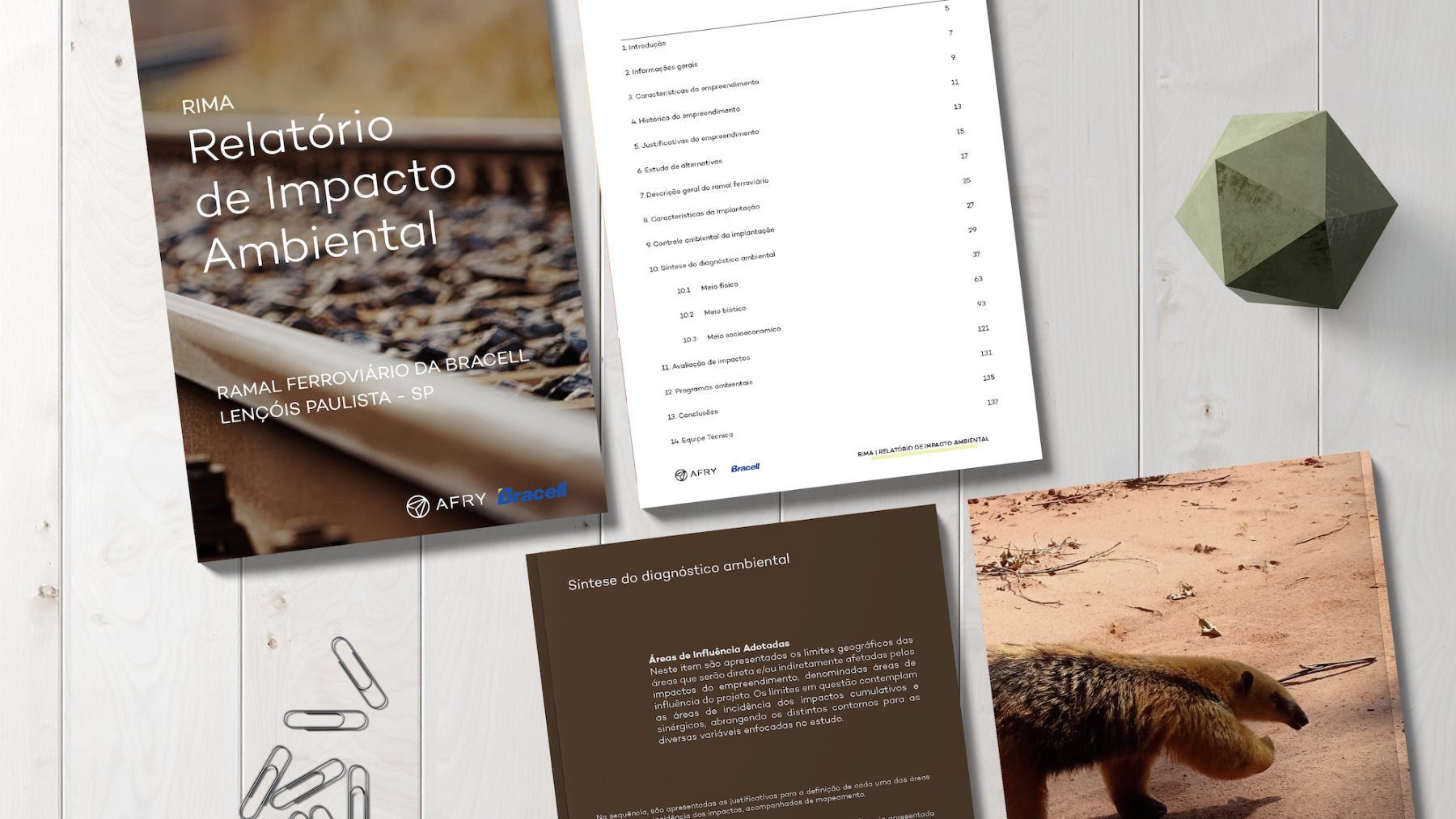
Technical publications, sustainability reports and specialist content — for organisations that need to turn deep knowledge into a reference document.
Talk to Trabuka →Organisations with deep knowledge need to turn that expertise into publications that consolidate their standing, engajem stakeholders e comuniquem valor de forma tangível.
The challenge is balancing technical rigour with editorial clarity, holding quality across every stage — from planning to final delivery.
Join the waitlist and get early access by email. Nothing else.
Trabuka collects the minimum needed to run the waitlist and understand how the site is used. Nothing is sold, and nothing is handed to third parties for commercial purposes.
Data controller under Brazil’s data protection law — the LGPD, Law 13.709/2018: Dafne Fonseca, for Trabuka.
Any request about your data goes to that address. We answer within 15 days.
Only with the services that make the site work. Each has its own policy, and some process data outside Brazil — which the LGPD allows under contractual safeguards.
The LGPD guarantees that you may ask, at any time, for: confirmation that we process your data, access to what we hold, correction of anything wrong, portability, anonymisation, deletion, and withdrawal of consent.
One email to d@trabuka.com is enough — no form, no justification required. Every email we send also carries an unsubscribe link.